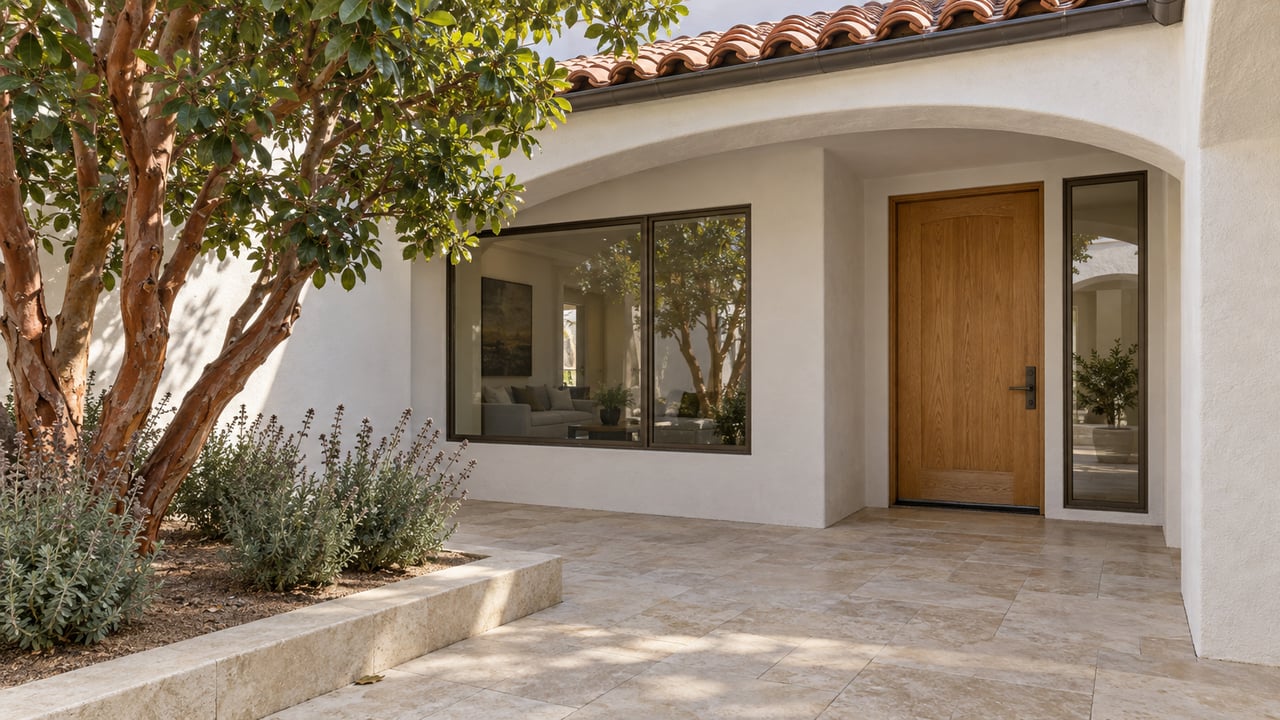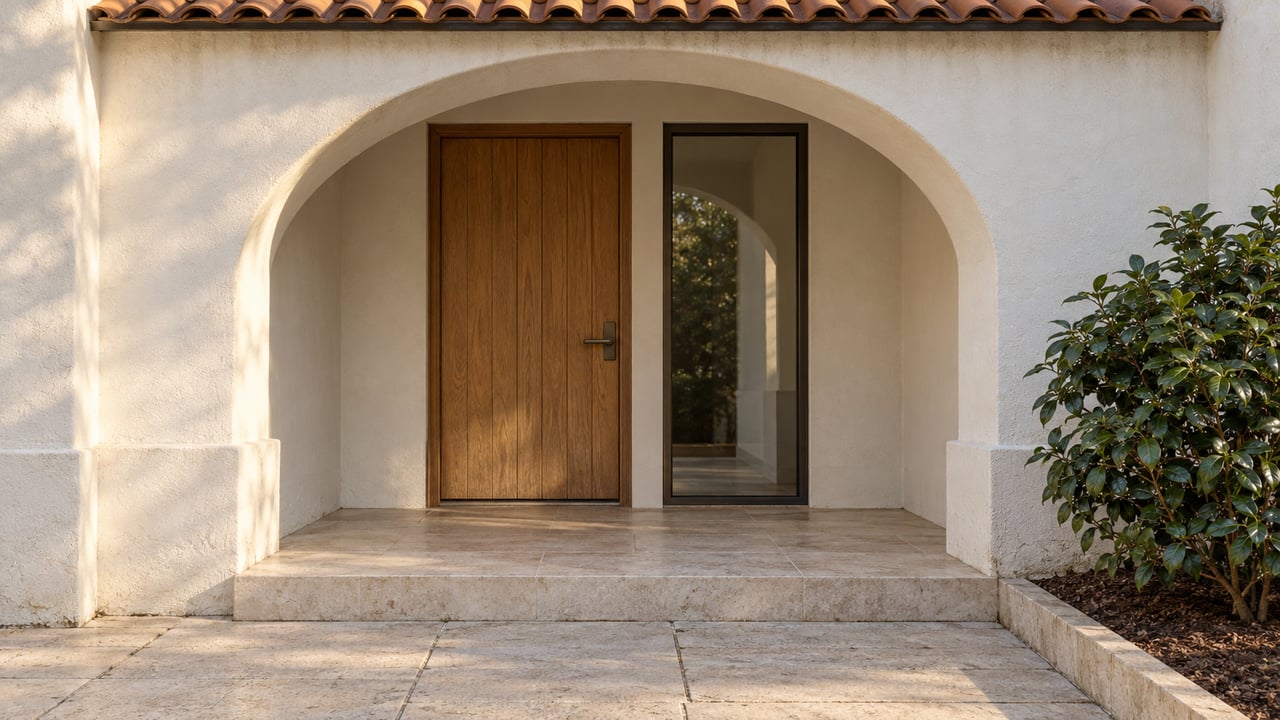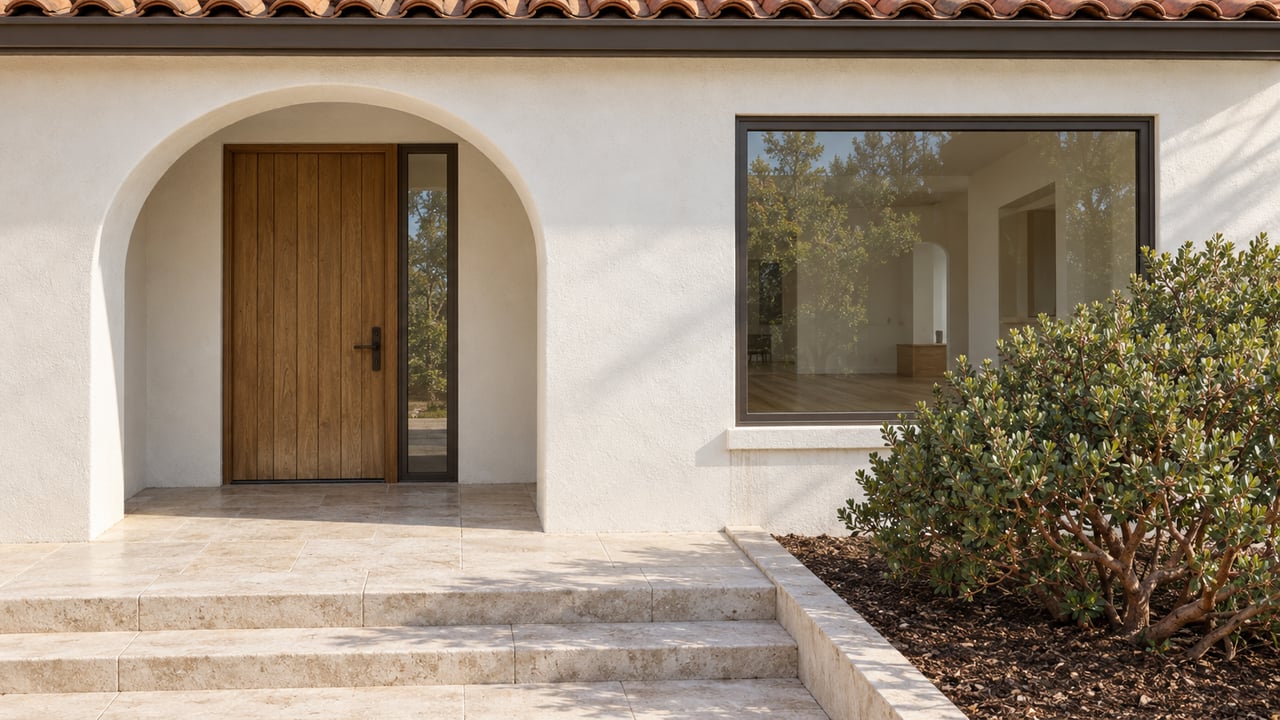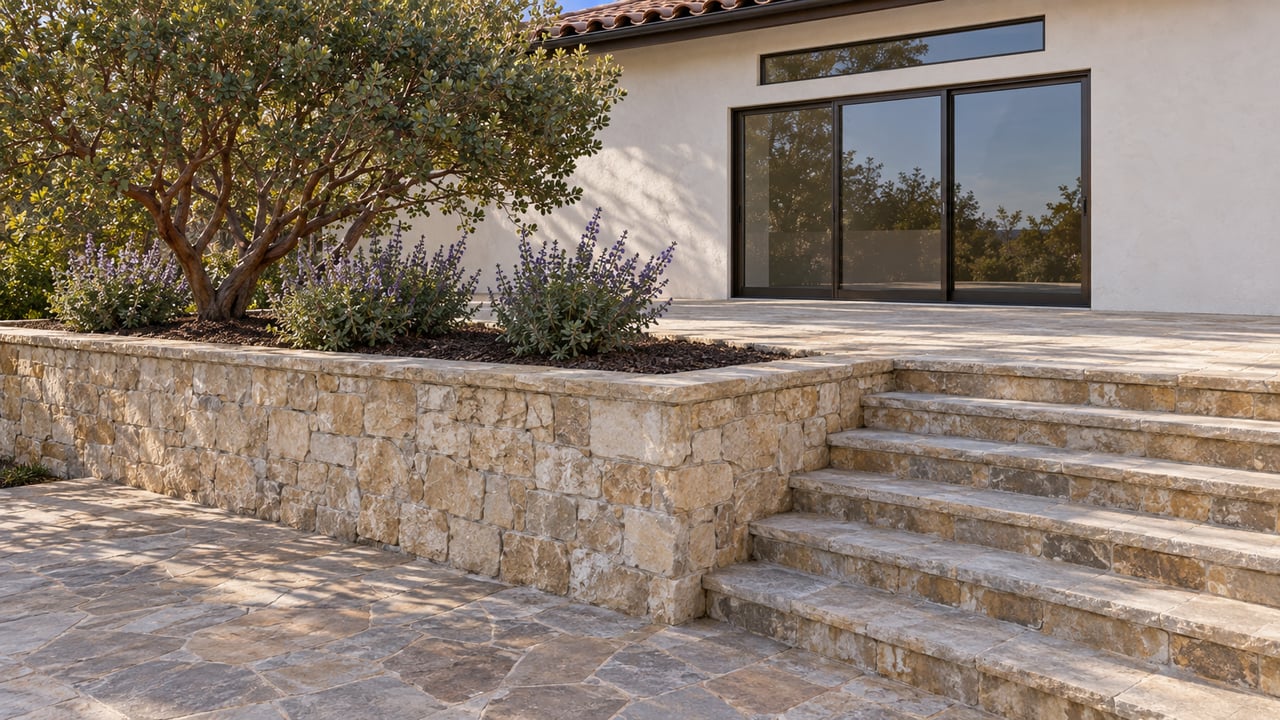
A hillside lot in Studio City can look like the same real estate as a flat lot two streets over, except for one number buried in the zoning code that has nothing to do with the square footage printed on the listing sheet. That number is the natural slope percentage, and it decides how much dirt you can move, how tall you can build, and how much of the house you can actually enlarge once escrow closes. Buyers who fall for a mid-century home on a hillside street in Studio City often don't find this out until they've hired an architect and started sketching the addition they assumed the lot could absorb.
What "15 Percent Slope" Actually Triggers
The City of Los Angeles determines whether a property falls under the Baseline Hillside Ordinance using slope, not neighborhood boundaries or zip code. If a lot has natural slopes of 15 percent or greater based on USGS topographic data, it is treated as Hillside Area property under the Los Angeles Municipal Code, and that designation shows up on the ZIMAS parcel lookup under the Hillside Area field. Two houses on the same block in Studio City can sit on opposite sides of that line. One qualifies as a standard flat-lot project. The other gets a longer, more technical review from the start.
This matters most in the pockets where Studio City's hillside terrain actually rises, the streets south of Ventura Boulevard climbing toward the Santa Monica Mountains rather than the flatter grid to the north.
The Grading Cap That Decides How Big Your Addition Can Be
On a flat lot, the amount of earth you move to build a foundation or level a yard is rarely the limiting factor. On a hillside lot in the designated area, it can be the first constraint a project runs into. The ordinance caps cumulative grading, cut and fill combined, at 500 cubic yards plus 5 percent of the lot's total area. That ceiling applies before anyone talks about floor area ratio or setbacks.
There's a second number that trips people up separately: according to Los Angeles Baseline Hillside Ordinance Explained, any project involving 250 cubic yards or more of excavation or fill in a designated Hillside Grading Area requires a grading bond, a different threshold from the BHO cap and mapped on a different layer of the city's system. A buyer who clears the 500-cubic-yard ceiling can still get stopped by the 250-cubic-yard bond requirement earlier in the process, because the two thresholds serve different purposes and get triggered at different points in plan check.
Height Gets Measured From the Hill, Not From Your Floor
Under Los Angeles Municipal Code Section 12.21 A.17, most Hillside Area zones carry a 45-foot height limit. The detail that catches people off guard is how that 45 feet gets measured. On a flat lot, height is measured from the average grade at the building's perimeter to the highest point of the roof, a number the builder mostly controls. On a hillside lot, height is measured from average natural grade, meaning the slope as it existed before anyone touched it. A buyer picturing a third story with mountain views can find that the natural grade calculation eats into that height allowance before a single beam goes up.
| Flat lot | Hillside Area lot (15%+ slope) | |
|---|---|---|
| Height measured from | Average grade at building perimeter | Average natural grade |
| Grading cap | No BHO-specific ceiling | 500 cubic yards + 5% of lot size, cut and fill combined |
| Grading bond trigger | N/A unless required elsewhere | 250 cubic yards, a separate threshold |
| Typical plan-check timeline | Standard residential track | 6 to 14 months standard; 3 to 6 months with expedited PCO review |
A Second Layer If You're Near Mulholland
Some of Studio City's hillside streets sit close enough to Mulholland Drive to fall under an additional layer of review. The Mulholland Scenic Parkway Specific Plan imposes its own height, massing, and materials controls on parcels within or visible from that corridor, stacked on top of the citywide Baseline Hillside Ordinance rather than replacing it. A property can be subject to both at once, which means a buyer checking only the BHO slope designation on ZIMAS may still miss a second overlay that shapes what a remodel can look like from the street.
Why the Architecture Makes This Personal in Studio City
Studio City's hillside pockets carry some of the Valley's most documented mid-century architecture, and that's exactly where this math tends to matter most. Wrightwood Estates is generally regarded as the architectural heart of the neighborhood, with a cluster of Rudolph Schindler homes on Reklaw Drive, John Lautner's organic forms on Berry Drive, a rare Richard Neutra property on Laurel Canyon Boulevard, and Raphael Soriano's all-aluminum El Paradiso sitting above Ventura Boulevard. As of Q1 2026, architect-attributed listings in this pocket were pricing roughly between $1.9 million and $4.5 million, with well-priced homes pending in around 31 days.
A buyer drawn to one of these homes is often drawn to the exact thing the ordinance was written to protect, a smaller mid-century footprint on a hillside lot with real character. The instinct to add a primary suite, extend a kitchen, or push a lower level out toward a canyon view runs directly into the same grading and height math that governs a brand-new build on the same street. The ordinance doesn't distinguish between a 1962 Schindler and a spec-built new construction once the enlargement crosses a floor area or grading threshold.
Not every part of Studio City carries this exposure. Silver Triangle, a walkable pocket just below Fryman Canyon, sits on hillside terrain and shares some of this exposure, while Colfax Meadows, the tree-lined valley floor stretch known for larger lots and its connection to Carpenter Community Charter, sits on flatter ground where the BHO generally doesn't apply. Two homes in Studio City marketed the same way, both a short walk from a Fryman Canyon trailhead like Wilacre Park, can face entirely different renovation math depending on which side of that grade line they sit on.
The Timeline You're Actually Buying Into
Price per square foot tells a buyer what the house costs today. It says nothing about what a remodel will cost in time. Standard hillside residential plan check in Los Angeles is currently running 6 to 14 months, with an expedited PCO review path available in 3 to 6 months for buyers willing to pay for faster processing. That timeline reflects the review involved in hillside projects. A buyer comparing a Studio City hillside purchase to a flat-lot Colfax Meadows purchase should be comparing renovation timelines, not just closing costs.
Before You Write an Offer on a Studio City Hillside Home
- Pull the ZIMAS report for the specific parcel and confirm the Hillside Area designation and slope band rather than assuming based on the street or general neighborhood.
- Ask whether any geotechnical or soils report already exists for the property, since a prior owner's report can save months if it's still usable.
- Check whether the parcel sits within or visible from the Mulholland Scenic Parkway corridor, which adds a second layer of design review beyond the citywide ordinance.
- Get a rough grading estimate from an architect or permit expediter before finalizing any remodel-contingent offer terms, using the 500-cubic-yard-plus-5-percent formula as a starting point rather than a flat-lot square footage assumption.
- Build the 6 to 14 month standard plan-check timeline into your financing and moving plans if the purchase depends on an addition or major remodel.
Quick Answers for Hillside Buyers
Does the ordinance apply to every hillside-adjacent home in Studio City? No. It applies specifically to lots with natural slopes of 15 percent or greater as mapped in the Hillside Area designation. A home on a hill-adjacent street with a flatter pad may fall outside the designation entirely, which is why the ZIMAS lookup matters more than a visual impression of the street.
Does the ordinance only affect new construction, or does it cover remodels too? It covers enlargements of existing buildings as well as new construction. An addition that increases residential floor area can trigger the same grading, height, and setback review as a ground-up build, which is the detail that surprises buyers of existing mid-century homes the most.
Is the grading bond the same thing as the Baseline Hillside Ordinance grading cap? No. The BHO caps cumulative grading at 500 cubic yards plus 5 percent of lot size. The grading bond is a separate requirement triggered at 250 cubic yards of excavation or fill within a mapped Hillside Grading Area. A project can clear one threshold and still need to satisfy the other.
The number on a Studio City hillside listing that actually predicts what you'll be able to build isn't the price per square foot or even the lot size. It's the slope percentage sitting in a ZIMAS field most buyers never open before they write an offer.
If you're weighing a hillside purchase in Studio City and want to know what a specific parcel's slope designation actually means for your plans, reach out to Steve Shanks before you write the offer, not after.
This article is general information, not legal, tax or financial advice. Consult a qualified professional about your situation.