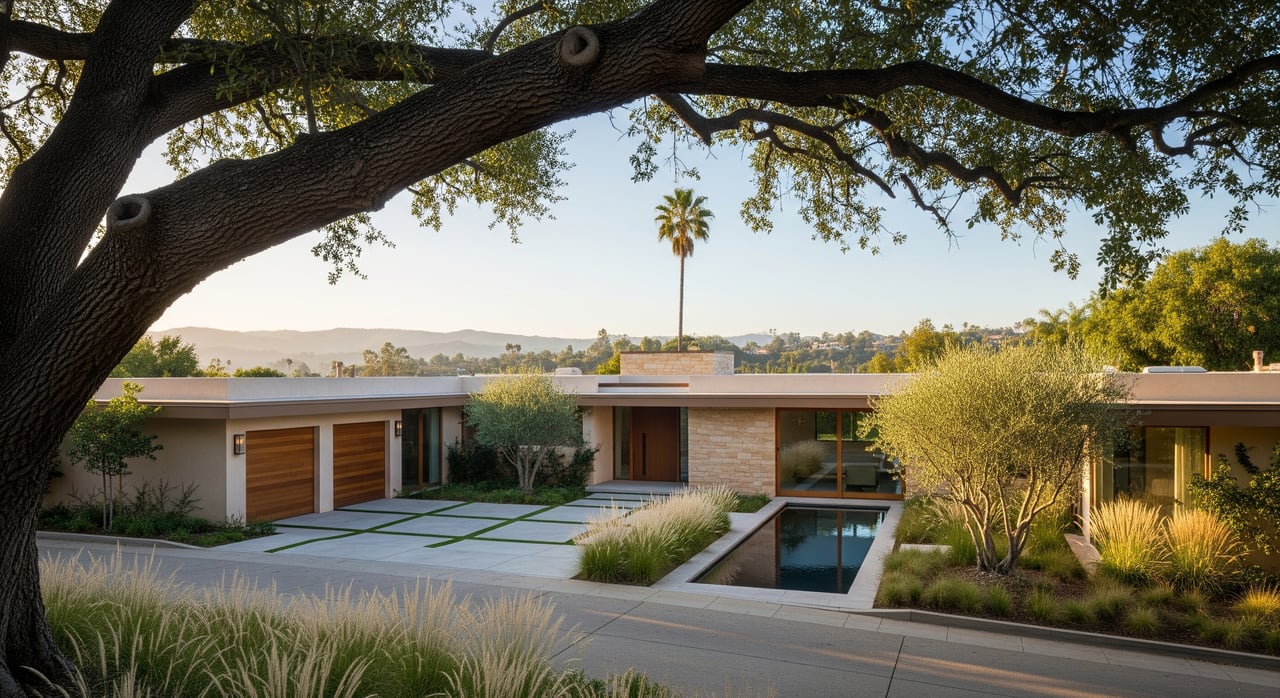
Thinking about moving to Sherman Oaks for Valley convenience with easy access to the Westside and Hollywood? You are not alone. Relocating is a big decision, especially if you are comparing commute routes, housing styles, and escrow timelines from afar. In this guide, you will get a clear picture of daily life, how buying works in Los Angeles, and practical checklists to make smart choices. Let’s dive in.
Why Sherman Oaks works
Sherman Oaks sits in the central San Fernando Valley with the Santa Monica Mountains to the south, the US‑101 along the southern edge, and the I‑405 on much of the western boundary. You are adjacent to Studio City, Encino, Van Nuys, and Reseda, which keeps your options open for work, schools, and weekend plans. The neighborhood blends quiet residential streets with a lively Ventura Boulevard corridor of restaurants, cafes, and services.
Most buyers choose Sherman Oaks for location and flexibility. You can reach the Westside, Hollywood, Burbank, or the rest of the Valley using the 101, 405, or well‑known canyon routes, and you will find a wide range of homes from mid‑century ranches to updated hillside properties. Market conditions change quickly, so plan to verify current pricing, inventory, and days on market before you write offers.
Commute primer: 101, 405, canyon roads
Freeways at a glance
The US‑101 runs east–west along the southern edge of Sherman Oaks and is your primary route to Hollywood, Downtown via the 101 southeast, and the western Valley. The I‑405 runs north–south near the western boundary and is the main path to West Los Angeles and the LAX corridor. HOV lanes operate on many segments, and congestion patterns vary by time of day. For current rules and updates, review LA Metro maps and routes and Caltrans District 7 updates.
Canyon routes to know
When freeways back up, many drivers use Beverly Glen, Coldwater Canyon, Laurel Canyon, or the Sepulveda Pass. These roads can be narrow with varied grades and visibility. They are sometimes slower than freeways during peak periods, but for specific origin and destination pairs they can be good alternatives.
Transit and active options
Sherman Oaks relies primarily on bus service along Ventura Boulevard and other arterials. There is no rail station inside Sherman Oaks; the closest rail connections are in North Hollywood and Burbank or Van Nuys depending on your route. Plan trips using LA Metro maps and schedules, and consider biking or walking for local errands along Ventura Boulevard where sidewalks and amenities cluster.
Smart commute testing tips
- Test your likely routes at the actual times you will travel, both morning and evening.
- Compare proximity to the 101 versus the 405 based on your destination.
- If carpooling, review HOV rules and potential tolling before you commit to a route.
- Save a backup canyon route for predictable bottlenecks and special events.
Housing snapshot and lot types
Single‑family homes
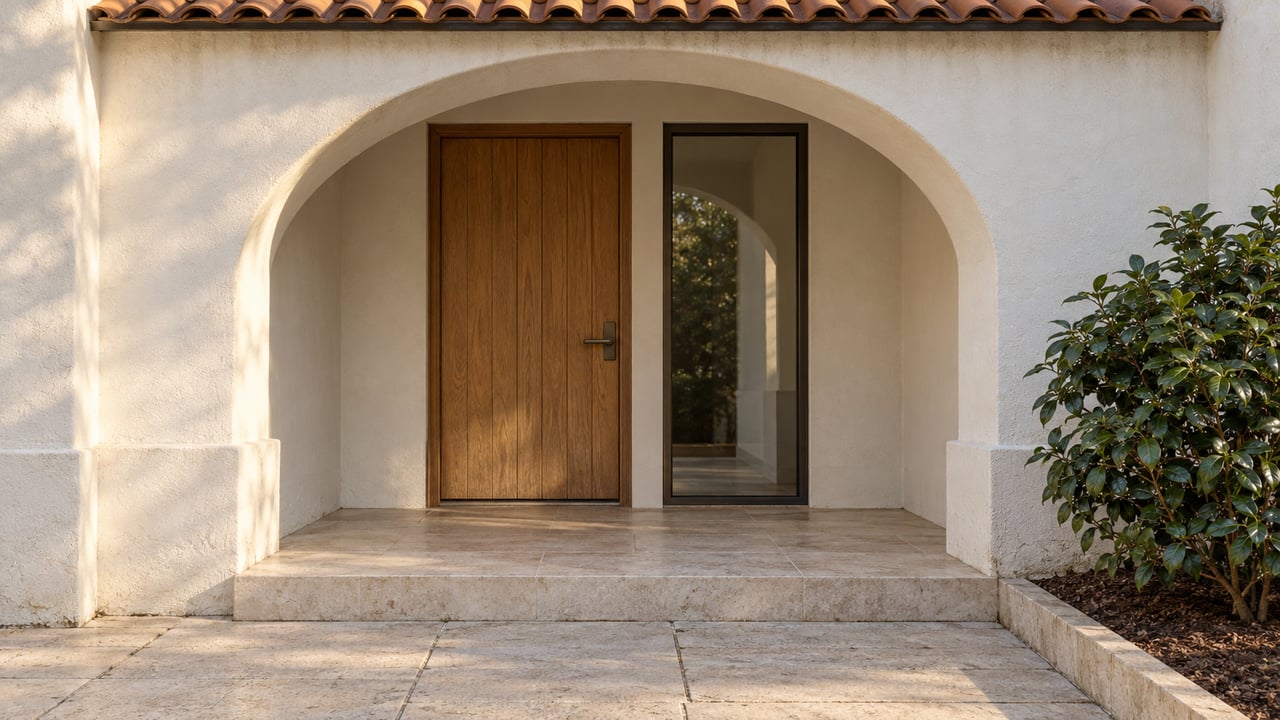
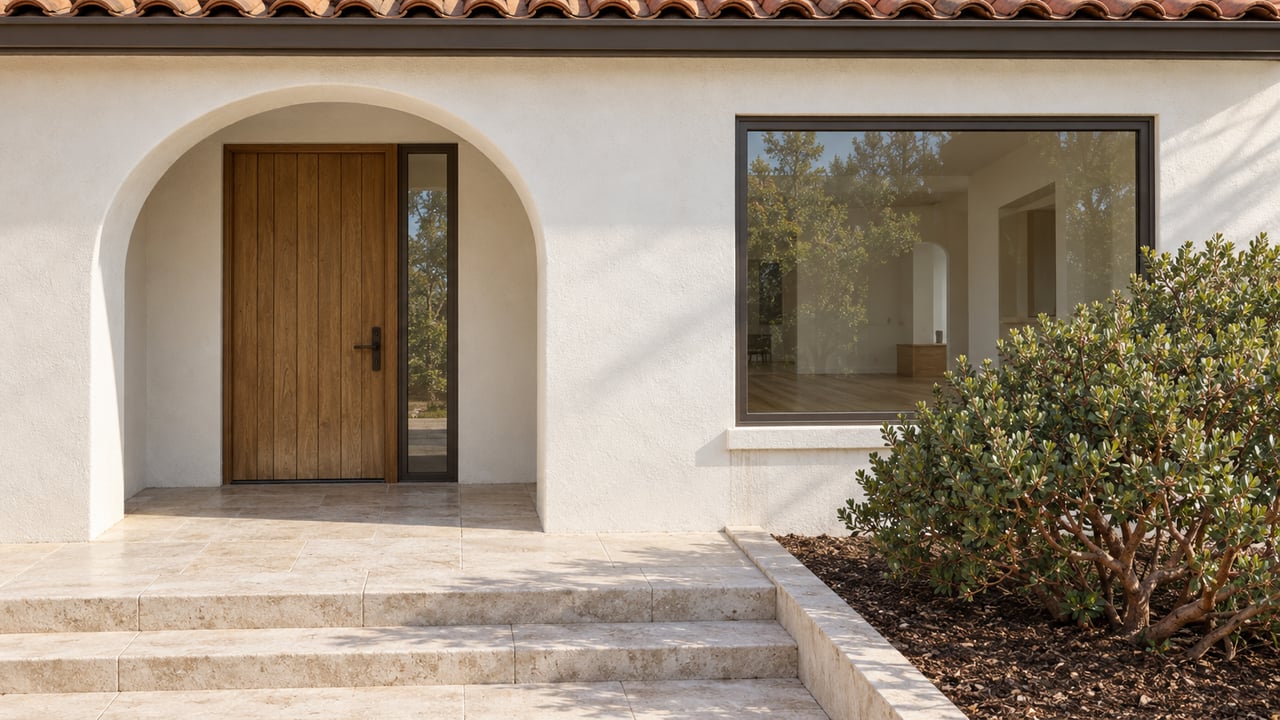
You will find a large share of mid‑century ranches, Spanish or Mediterranean‑style bungalows, and modern remodels. Many homes have seen additions or updates over the years, so pay attention to permit history and the quality of work. Hillside homes often offer views and privacy, while flats provide easier access and simpler construction.
Condos and townhomes
Condos and townhomes cluster near Ventura Boulevard and other commercial corridors. These can offer lower entry prices and lower maintenance, balanced by HOA dues and rules. Review HOA reserves, meeting minutes, and any special assessments during escrow.
Hillside vs flat lots
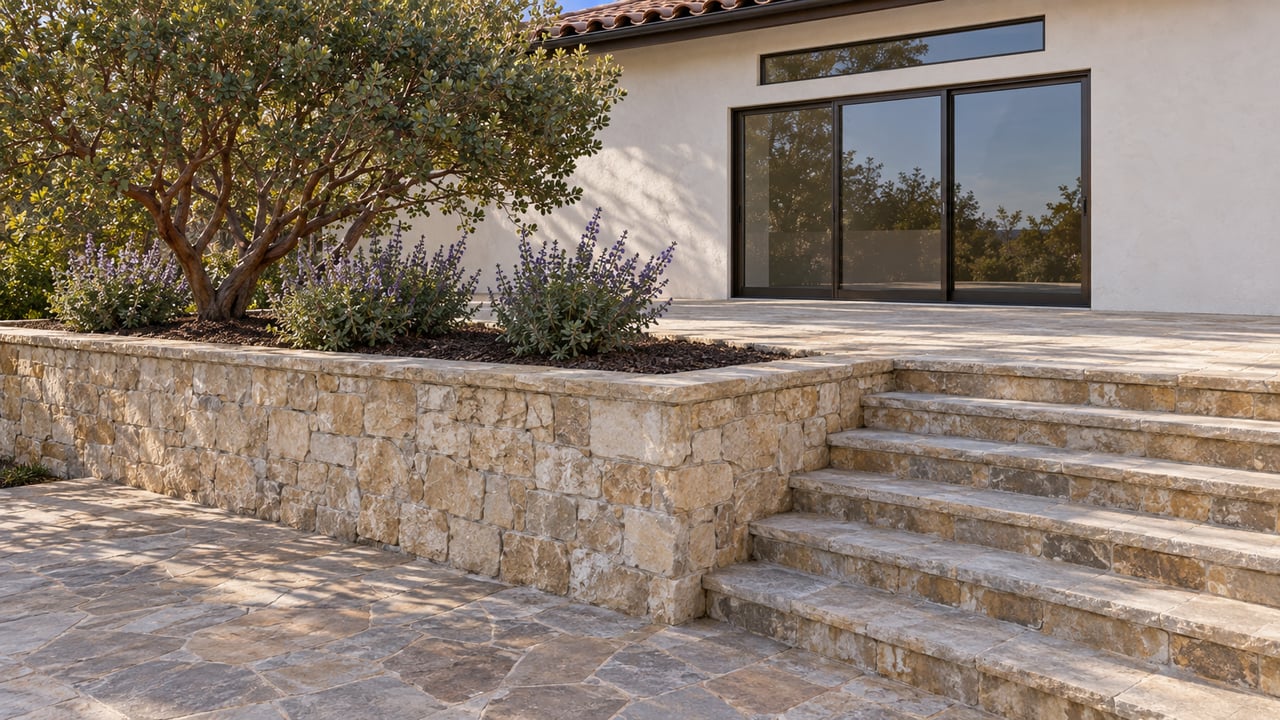
Flat lots closer to Ventura Boulevard usually simplify additions and ADUs and reduce construction complexity. Hillside parcels can provide vistas and separation from street activity but may require attention to slope, retaining walls, drainage, and access. Canyon‑adjacent properties add privacy and a natural setting, while also bringing wildfire and hillside risk considerations.
Age, permits, and upgrades
Expect a mix of original and updated systems. In older homes, items like plumbing, electrical, and foundations may need attention. Ask for past permits and consider seismic and earthquake retrofits. For local rules on permits and hillside building, consult the Los Angeles Department of Building and Safety and LA City Planning.
Risks and site checks
- Hillside stability: review retaining walls, slopes, and drainage patterns.
- Wildfire interface: follow brush clearance and defensible space requirements.
- Flood potential: confirm any flood zone status with the FEMA Flood Map Service Center.
- Utilities and easements: confirm sewer, stormwater, and any utility easements early.
- Zoning and ADUs: Los Angeles zoning affects what you can build and where. Check local codes and consult city planning before major changes.
How buying works in Los Angeles
Escrow steps and timelines
The typical path is offer, accepted contract, open escrow, deposit earnest money, inspections and contingencies, loan processing and appraisal if applicable, closing and recording, then keys. Escrow is a neutral third party that handles funds and documents. Timelines are negotiated, but 30 to 45 days is common for escrow, and contingency periods are often 5 to 17 days depending on the market.
Disclosures you will see
Sellers provide a Transfer Disclosure Statement and a Natural Hazard Disclosure that covers earthquake fault zones, flood, and fire hazards. You will also see known material facts, lead‑based paint for pre‑1978 homes, and any city transfer tax notices. Review disclosures early and follow up with targeted inspections.
Costs and who pays
Closing costs include escrow fees, title insurance, lender fees, recording fees, and transfer taxes. Who pays what can be negotiated and often follows local custom. Your escrow officer can estimate typical splits for the neighborhood and current market.
Condo and HOA notes
Condo and townhome purchases involve HOA resale documents, reserve studies, and rules. These packets can take time to assemble, which can affect escrow timelines. Read them carefully to understand budgets and any pending assessments.
What to prepare as an out‑of‑area buyer
- Get a full preapproval to keep loan contingencies tight and competitive.
- Select an escrow and title company early and set up wire procedures.
- Request all disclosures up front and plan a thorough inspection schedule.
- For cash purchases, confirm funds and timing before negotiating.
Amenities and daily life
Ventura Boulevard and the Galleria
Ventura Boulevard is the retail and dining spine of Sherman Oaks, with cafes, restaurants, boutiques, fitness, and services. The Sherman Oaks Galleria area and surrounding retail provide grocery, entertainment, and daily conveniences. Neighborhood events and local updates can be found through the Sherman Oaks Neighborhood Council and the Sherman Oaks Chamber of Commerce.
Parks and open space
You are close to the Sepulveda Basin Recreation Area for large parks, ballfields, golf, and trails. The nearby Santa Monica Mountains offer hiking and scenic canyon drives. Smaller neighborhood parks and recreation programs dot the area for quick outdoor time.
Schools overview
Public schools are operated by Los Angeles Unified School District. Enrollment boundaries and programs vary by address and year, so verify with LAUSD school boundary tools. A range of private and parochial options exist in the Valley.
Health care and services
Sherman Oaks Hospital and numerous clinics serve local needs. Larger medical centers in West Los Angeles and Hollywood are reachable by freeway, with drive times that vary by time of day.
Quick pros and cons
- Pros: central Valley location, robust Ventura Boulevard amenities, varied housing types, and multiple commute routes to Westside and Hollywood.
- Cons: freeway noise and congestion near the 101 and 405, commute times that vary by peak traffic, and added due diligence for hillside or canyon‑adjacent homes.
Virtual‑tour checklist
- Request a full start‑to‑finish video walkthrough from street to backyard, including closets, garage, attic, and any ADU or finished garage.
- Ask for neighborhood context: street view both directions, adjacent homes, and the nearest commercial strip.
- Capture drive‑time videos of your likely commute routes along the 101, 405, and at least one canyon road during peak hours.
- Get closeups of cracks, slopes, retaining walls, roof, fences, pool equipment, and HVAC.
- Show grading and drainage in the backyard and any visible water pathways.
- Photograph electrical panel, water heater, furnace, and connection points.
- Insist on a floorplan with dimensions and a parcel map confirming lot lines and size.
- Request recent utility bills, HOA documents if applicable, and all seller disclosures.
- Schedule a live video tour so you can direct the camera to zoom or pan as needed.
1–2 day trip plan checklist
- Logistics and timing:
- Visit at different times: early morning, midday, and early evening to sample commute and neighborhood activity.
- Drive both the 101 and 405 plus at least one canyon route during peak windows.
- Walk Ventura Boulevard and nearby residential blocks.
- Documents and people:
- Bring photo ID, a lender preapproval, and proof of funds if you plan to write offers.
- Prepare a printed question list and property checklists.
- Confirm appointments with your local agent and inspectors.
- What to evaluate in person:
- Street parking availability and any permit restrictions.
- Noise levels from freeways and commercial corridors.
- Cellular and internet service quality at each address.
- Neighboring property conditions and uses.
- Backyard access, usable outdoor space, and sun orientation.
- Lighting after dark and general evening activity.
- Questions for the listing agent:
- Age of roof, HVAC, electrical, plumbing, and any recent permits.
- History of drainage, foundation, or insurance claims.
- Typical utility costs, HOA fees, and pending assessments.
- Seller timelines and any competing offers.
- Sample single‑day itinerary:
- Morning: test commute routes and grab coffee on Ventura Boulevard.
- Midday: tour top homes and walk each surrounding block.
- Late afternoon: run the return commute and revisit any favorite property.
Next steps
Relocating to Sherman Oaks works best with a clear plan: test your commute, match your home search to lot types and construction realities, and understand local escrow and disclosure norms. If you want a tailored commute analysis, a focused market snapshot, and a showing itinerary that fits your timing, connect with Steve Shanks for a relocation consultation.
FAQs
What is Sherman Oaks and where is it located?
- Sherman Oaks is a neighborhood in the central San Fernando Valley within the City of Los Angeles, bordered by the US‑101 to the south and near the I‑405 on the west, with Studio City, Encino, Van Nuys, and Reseda nearby.
How do commutes from Sherman Oaks typically work?
- Most residents use the 101 or 405 and sometimes canyon routes like Beverly Glen or Coldwater; test routes at your exact travel times since congestion varies by direction and time of day.
Is there public transit in Sherman Oaks?
- Yes, bus service runs along Ventura Boulevard and other arterials, and the nearest rail connections are in North Hollywood, Burbank, or Van Nuys; plan trips using LA Metro maps.
What should I know about hillside homes in Sherman Oaks?
- Hillside lots can offer views and privacy but require attention to slope, retaining walls, drainage, wildfire considerations, and access; consult LADBS for hillside rules.
How does escrow work for Los Angeles homebuyers?
- After an accepted offer, you open escrow, deposit earnest money, complete inspections and loan steps, then close and record; timelines are negotiable, with many escrows running about 30 to 45 days.