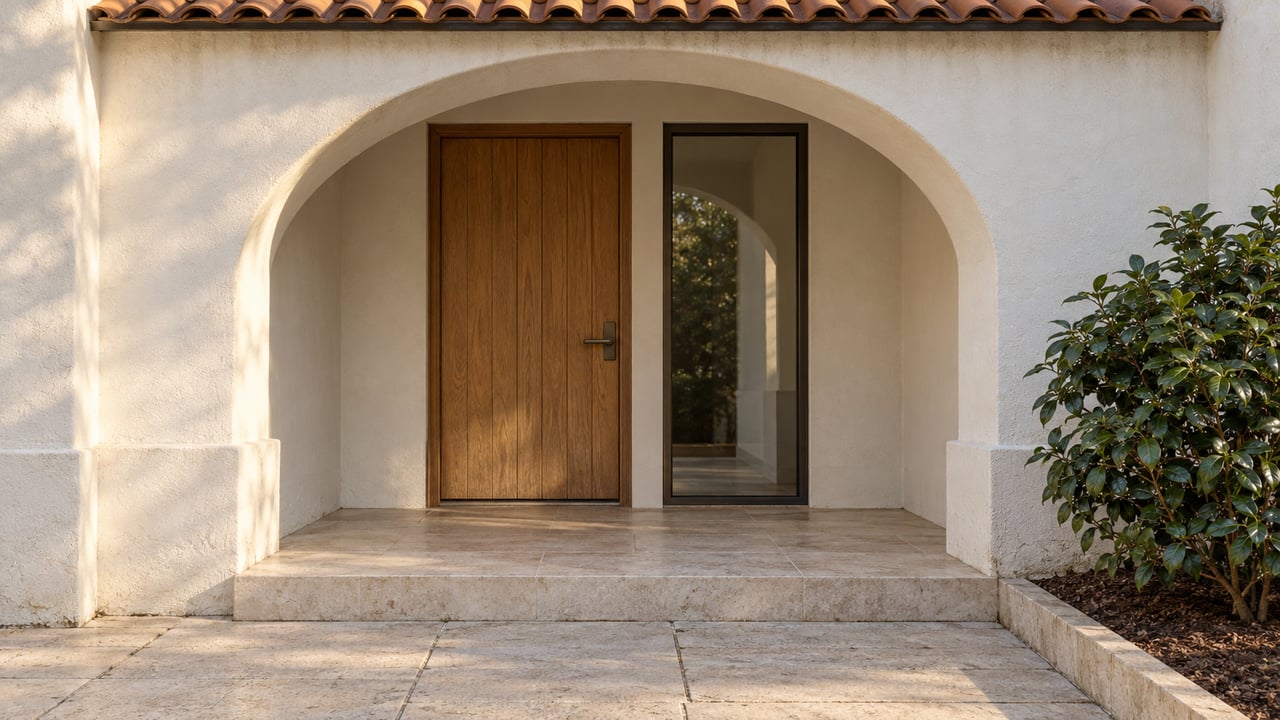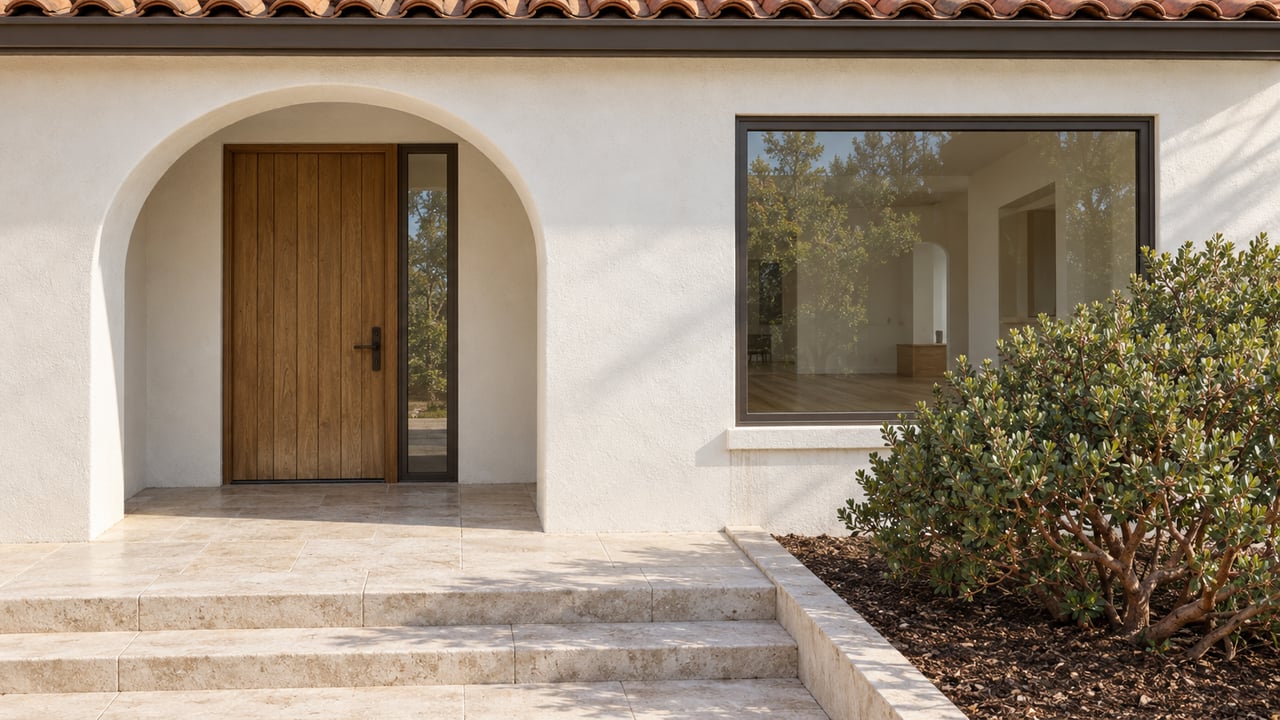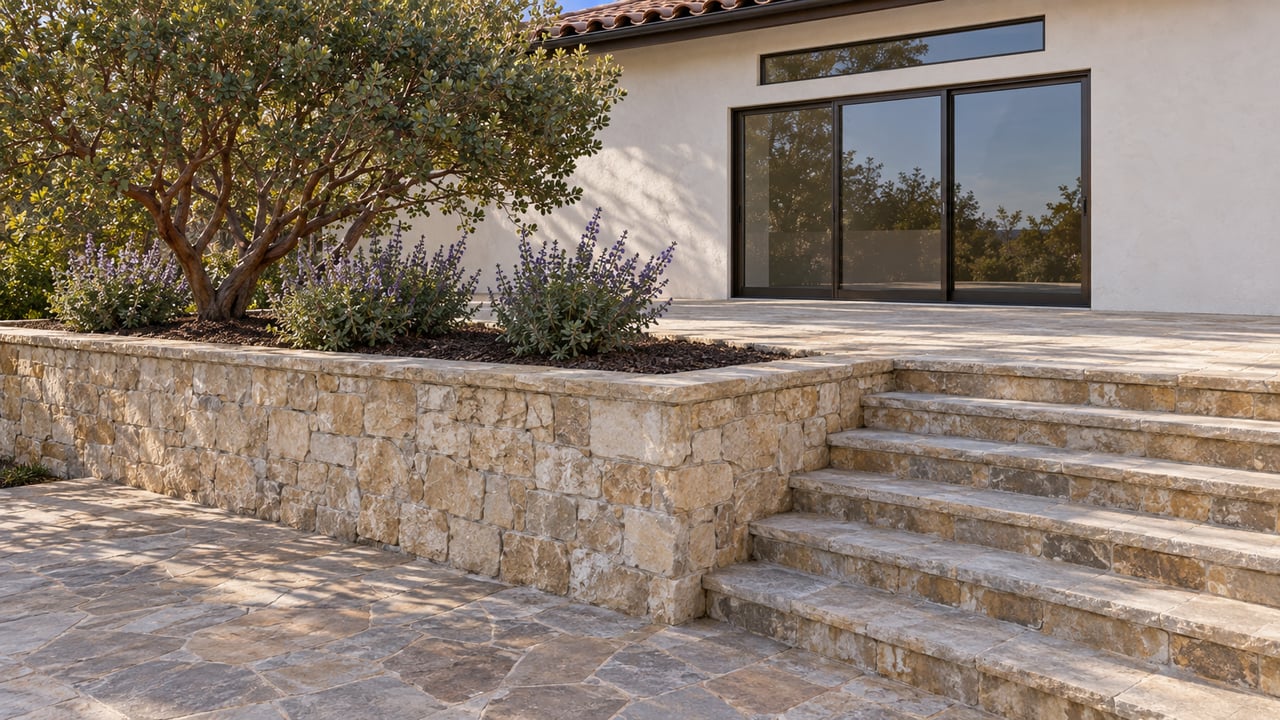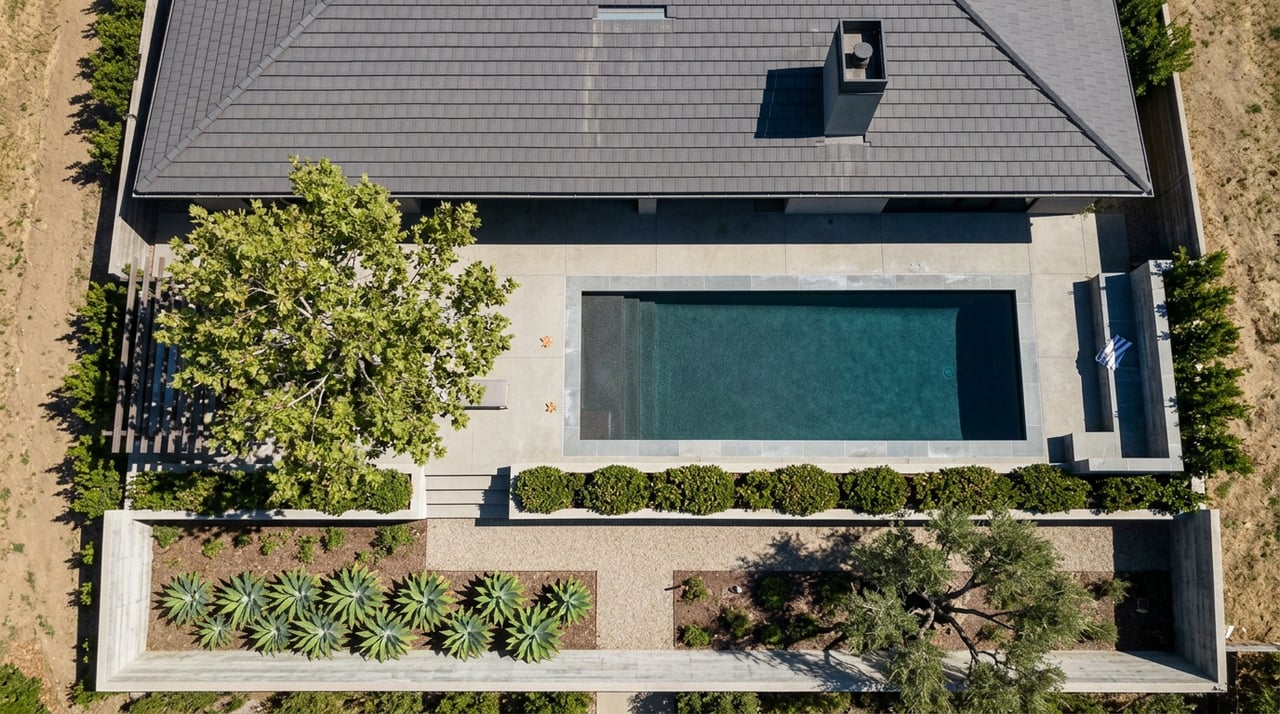
If you are searching for a single-family home in Tarzana, you may quickly notice that one block can feel very different from the next. Some streets are flat and orderly with classic ranch homes, while others climb into the hills with larger, more irregular lots and view-oriented properties. If you want to buy with confidence, it helps to understand how Tarzana is actually laid out, what home styles are common, and which trade-offs matter most. Let’s dive in.
Why Tarzana Stands Out
Tarzana sits in the Encino-Tarzana Community Plan Area in the south San Fernando Valley. According to SurveyLA, the neighborhood has two distinct topographies: flatter neighborhoods north of Ventura Boulevard and hillier areas to the south. That split shapes everything from lot layout to street feel to the type of home you are likely to find.
Tarzana is also predominantly single-family in character, with ranch-style housing forming a major part of its residential fabric. That matters if you are looking for space, a more residential setting, and a neighborhood where single-family homes remain the main housing type. In practical terms, Tarzana often gives you a wider mix of lot types and house styles than buyers first expect.
From a price perspective, current Realtor.com data places Tarzana in a balanced market, with 140 homes for sale, a median listing price of $1.339 million, and a median days on market figure of 47. Compared with Encino at about $2.00 million, Sherman Oaks at about $1.68 million, and Woodland Hills at about $1.50 million, Tarzana often lands in the middle of the western and central Valley price range.
Flat Streets vs Hillside Homes
Flat Tarzana streets
On flatter streets, especially north of Ventura Boulevard, you will usually see a more regular street grid and more predictable lot shapes. SurveyLA describes these areas as subdivisions of modest single-family residences on regularly sized lots. That can make it easier to understand yard space, parking, and overall usability at a glance.
Examples in recent listings show this pattern clearly. A home like 19132 Friar sits on a 7,250-square-foot lot, while 19141 Erwin is on a 6,966-square-foot lot. Those numbers reflect the type of lot size many buyers will encounter in Tarzana’s flatter sections.
If you value easier site access, simpler outdoor layouts, and a more straightforward home search, flat streets may be a strong fit. These properties can be especially appealing if you want a one-story layout with practical yard space and fewer site-specific variables.
Hillside Tarzana homes
South of Ventura Boulevard, Tarzana shifts into hillier terrain. Streets curve with the land, parcels become less regular, and homes often sit on larger lots. SurveyLA notes that as development moves into the hills, lots become more spacious and irregular, and houses generally become larger.
Recent examples help show that difference. A property at 4520 El Caballero sits on about 0.26 acres, while 4854 Brewster is a hillside home with a 0.55-acre usable lot, valley views, and a gated driveway. On paper, those lot sizes may look especially appealing, but the shape and slope of the land matter just as much as the total number.
The City of Los Angeles also applies hillside standards for single-family zones that add review items related to street access, setbacks, floor area, height, lot coverage, grading, and off-street parking. Planning materials also identify topography, geology, drainage, sewer service, and fire protection as issues to consider in hillside development. For you as a buyer, that means a hillside home can offer privacy and views, but it may also require closer attention to access, site use, and long-term upkeep.
What Home Styles You’ll Find
Tarzana offers more architectural variety than many buyers assume. SurveyLA identifies a mix that includes American Colonial Revival, Tudor Revival, Mid-Century Modern, Custom Contemporary Ranch, Custom Traditional Ranch, Late Modern, and Late Hollywood Regency. Still, the dominant postwar form is the Ranch house.
That ranch-house pattern is important because it shapes a lot of what buyers see in Tarzana today. These homes are typically one story, set back on wider lots, with rambling floor plans and attached garages. If you picture classic Valley living with a low-slung layout and more separation between indoor and outdoor space, that is often what Tarzana delivers.
In today’s market, most options fall into three broad buckets:
- Original ranch homes that may need updates
- Remodeled ranch homes that keep the low-profile style
- Newer custom rebuilds or estate-style homes on larger parcels
Knowing which bucket fits your goals can save you time. If you want charm and are comfortable with future projects, an original ranch may be worth a look. If you want move-in-ready comfort with a familiar California profile, a remodeled ranch may be the sweet spot. If your focus is scale, privacy, or a more custom layout, a rebuilt or estate-style property may better match your needs.
Lot Size Is Only Part of the Story
One of the biggest mistakes buyers make is assuming that a larger lot always means more usable space. In Tarzana, that is not always true. A flat 7,000-square-foot lot may function very differently from a larger hillside parcel with slope, long drive access, or irregular boundaries.
That is why it helps to look beyond the headline number. On flatter streets, lots are usually easier to read and use. In the hills, more of the site budget may be absorbed by access, slope, and grading.
When you tour homes, pay attention to how the lot actually lives day to day. Ask yourself:
- How much of the land feels usable?
- Is the backyard flat, terraced, or mostly slope?
- How much space is taken up by the driveway or access road?
- Does the lot shape limit future outdoor plans?
- Is parking simple and practical for your needs?
These questions can help you compare homes more accurately, especially when two properties look similar in online search results but function very differently in person.
Older Pockets Add Variety
Tarzana is not only a postwar ranch neighborhood. SurveyLA notes that Melody Acres, a 1920s subdivision north of Ventura Boulevard, featured large lots, citrus trees, and equestrian zoning. That history helps explain why some areas of Tarzana still feel more estate-like than others.
For you, that means Tarzana can offer a wider range of neighborhood character within the same community. Some blocks feel very tract-oriented and consistent. Others have larger parcels and a more custom, spread-out feel.
This kind of variation can be a real advantage if you want options. It also means you should compare homes by micro-location, not just by ZIP code or price point.
How Tarzana Compares Nearby
If you are deciding between Tarzana and nearby Valley neighborhoods, Tarzana often works well as a middle-ground option. Current listing-price data shows it below Encino and Sherman Oaks, while also sitting above more budget-oriented nearby areas such as Reseda. That can make Tarzana attractive if you want a balance of space, lot variety, and pricing.
For some buyers, the comparison is not just about cost. It is also about what you get for the money. Tarzana may offer the chance to trade some premium pricing for more space, a different lot type, or a less dense residential feel.
That makes Tarzana especially worth considering if you are a move-up buyer looking for more room without jumping to the highest Valley price tiers. It can also appeal to relocation buyers who want a neighborhood with both established single-family areas and a range of home types.
Questions to Ask Before You Buy
The right Tarzana home usually becomes clearer when you focus on a few practical questions. The research points to several that matter most in this market.
What kind of setting fits your lifestyle?
Start with the basics. Do you want a flat, one-story ranch with straightforward access, or do you prefer a hillside home with more privacy or views? Neither choice is automatically better. The best fit depends on how you want to live in the home every day.
How usable is the lot?
Do not stop at lot size. Think about yard use, driveway layout, slope, and how much of the parcel supports the lifestyle you want. A smaller but more functional lot can often outperform a larger site with less practical outdoor space.
Is the home original, remodeled, or rebuilt?
This question shapes both budget and expectations. An original home may offer value and potential, while a remodeled home may reduce near-term projects. A rebuilt home may give you a newer layout and finishes, but often at a different price level.
How important are parking and access?
This can matter more than buyers think, especially in hill areas. A beautiful home may still feel less convenient if access is tight or parking is limited. Looking carefully at how you arrive, park, and move around the property can help you avoid surprises later.
Are you comparing price, space, or both?
If you are also looking in Encino, Sherman Oaks, or Woodland Hills, be clear about your priority. Are you trying to maximize lot size? Find a certain home style? Stay within a target price range? Once you know your main goal, Tarzana becomes easier to evaluate.
Finding the Right Fit in Tarzana
Tarzana is not a one-note neighborhood, and that is part of its appeal. You can find classic postwar ranch homes on regular lots, older pockets with a more estate-like feel, and hillside properties with larger parcels and a more site-specific experience. The key is to match the home not just to your budget, but to how you want to use the property every day.
If you are planning a move in Tarzana, local guidance can make a big difference when comparing flat streets, hillside homes, lot usability, and pricing against nearby Valley options. For a calm, informed approach to buying or selling, connect with Steve Shanks.
FAQs
What types of single-family homes are common in Tarzana?
- Tarzana is predominantly single-family, and ranch-style homes are a major part of the neighborhood’s housing fabric. Buyers will also find styles such as Mid-Century Modern, Custom Contemporary Ranch, Custom Traditional Ranch, Tudor Revival, and other period and custom designs.
What is the difference between flat and hillside homes in Tarzana?
- Flat areas, often north of Ventura Boulevard, usually have a more regular street grid and easier-to-read lots. Hillside areas to the south often offer larger and more irregular parcels, more privacy or views, and added site considerations such as access, slope, grading, and parking.
What is the median home listing price in Tarzana?
- Current Realtor.com market data shows Tarzana with a median listing price of $1.339 million, 140 homes for sale, and a median days on market of 47 in a balanced market.
Are larger Tarzana lots always more usable?
- No. In Tarzana, a larger lot can include slope, long driveways, or irregular land that reduces usable outdoor space. It is important to compare how the lot functions, not just its total size.
How does Tarzana compare with nearby Valley neighborhoods?
- Based on current listing-price data, Tarzana generally sits below Encino and Sherman Oaks and around the middle of the western and central Valley price spectrum. That can make it a useful option if you want to balance price, space, and lot variety.
What should buyers focus on when choosing a Tarzana home?
- Buyers should look at whether they prefer a flat or hillside setting, how much of the lot is usable, whether the home is original or updated, and how parking and access affect daily life.