Two homes list in Encino this month at roughly the same price, say $1.8 million. One sits on a flat, sidewalk-lined street north of Ventura Boulevard, a 1960s ranch with a straightforward lot and a driveway that runs level from the curb. The other climbs a hillside street south of the boulevard, canyon views out the back, a lot that steps down the slope in three tiers. Same number on the sign. Almost nothing else in common, right down to what it will cost to insure them.
That gap is the part the median price never shows you, and this fall it is about to get wider for reasons that have nothing to do with square footage.
The Boulevard Is the Actual Boundary Line
Most people cross-shopping Encino treat it as one neighborhood with one price tag. It is not. Ventura Boulevard is the functional dividing line between two markets that behave differently, price differently, and increasingly insure differently.
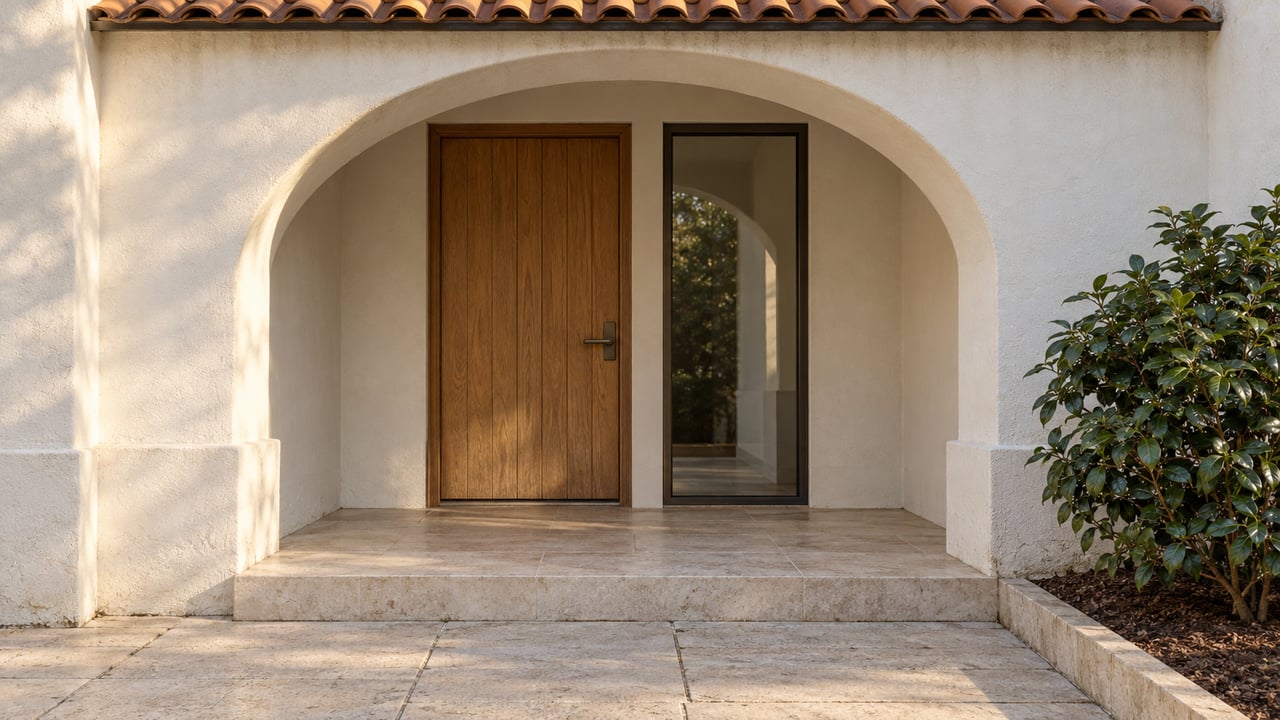
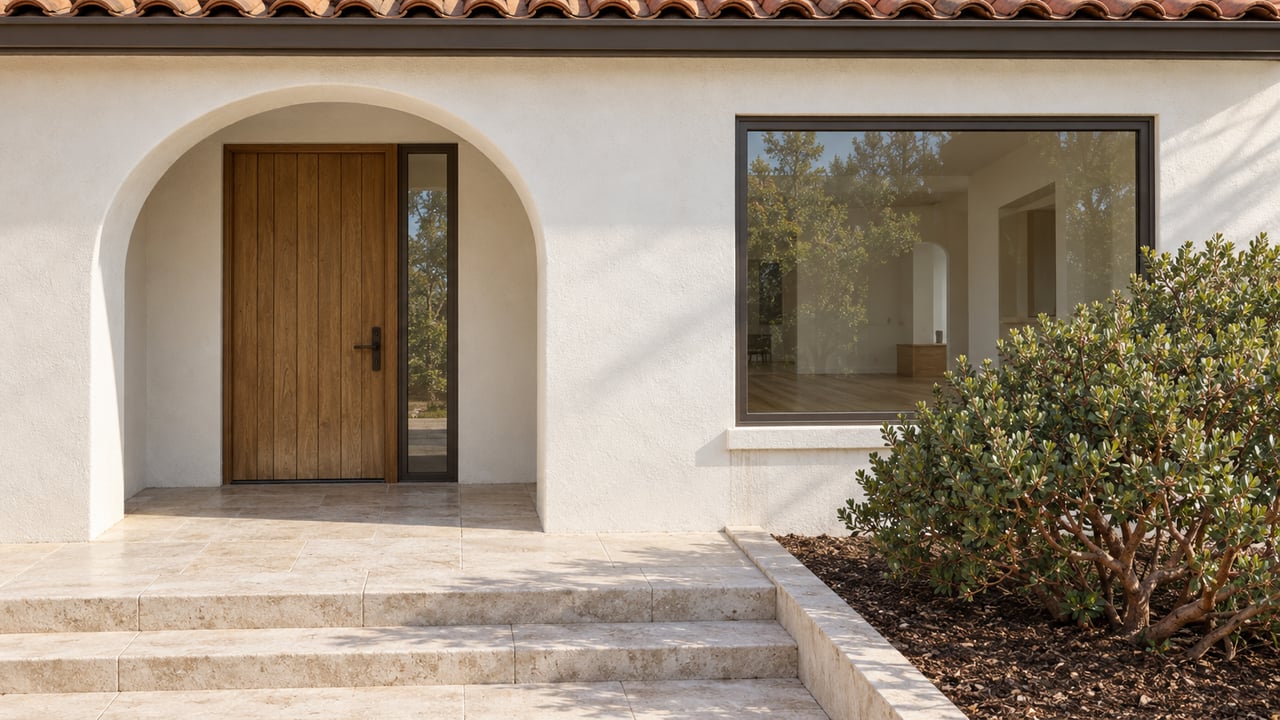
North of the boulevard, in the 91316 zip code, the flats spread across a regular street grid, through pockets like Encino Park and Encino Village and the blocks feeding into Balboa Boulevard. Housing stock here leans toward 1960s and 1970s single-story ranches on flat, rectangular lots, along with condo and townhome clusters closer to Ventura. Prices in this tier run roughly $600,000 to $2 million, and buyer activity skews toward first-time move-ups and investors looking for a way into Encino without hillside pricing.
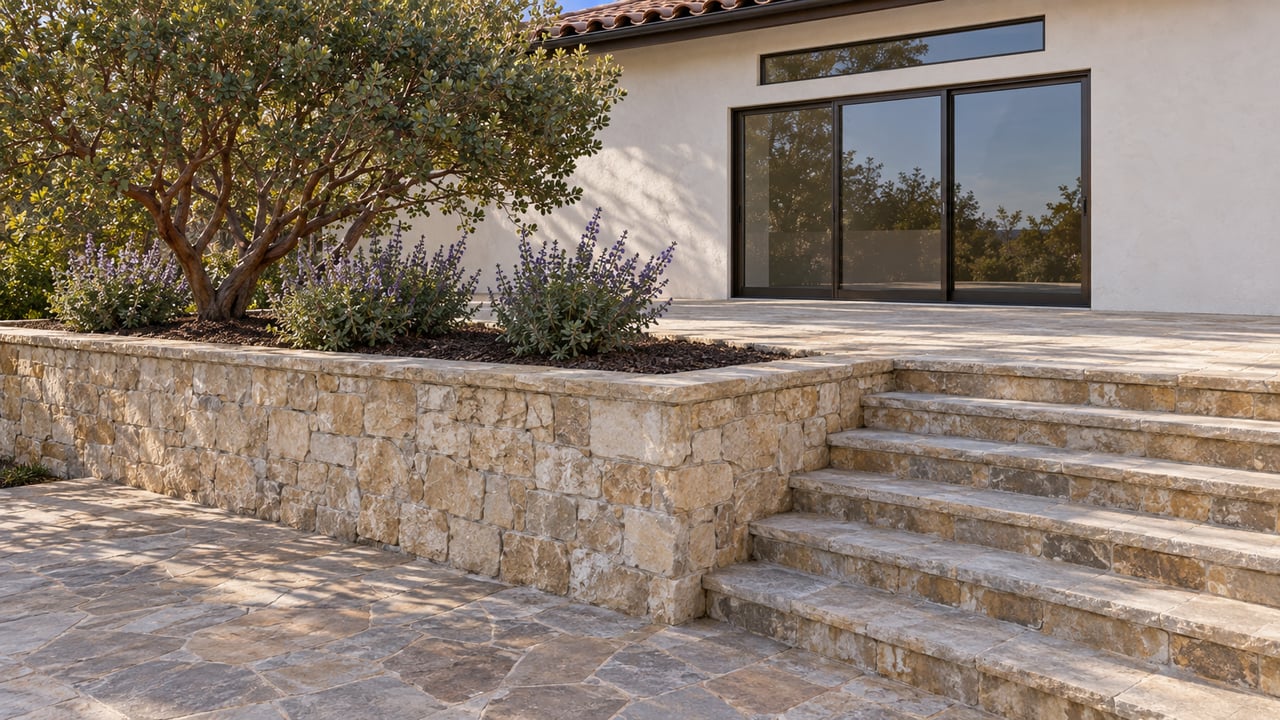
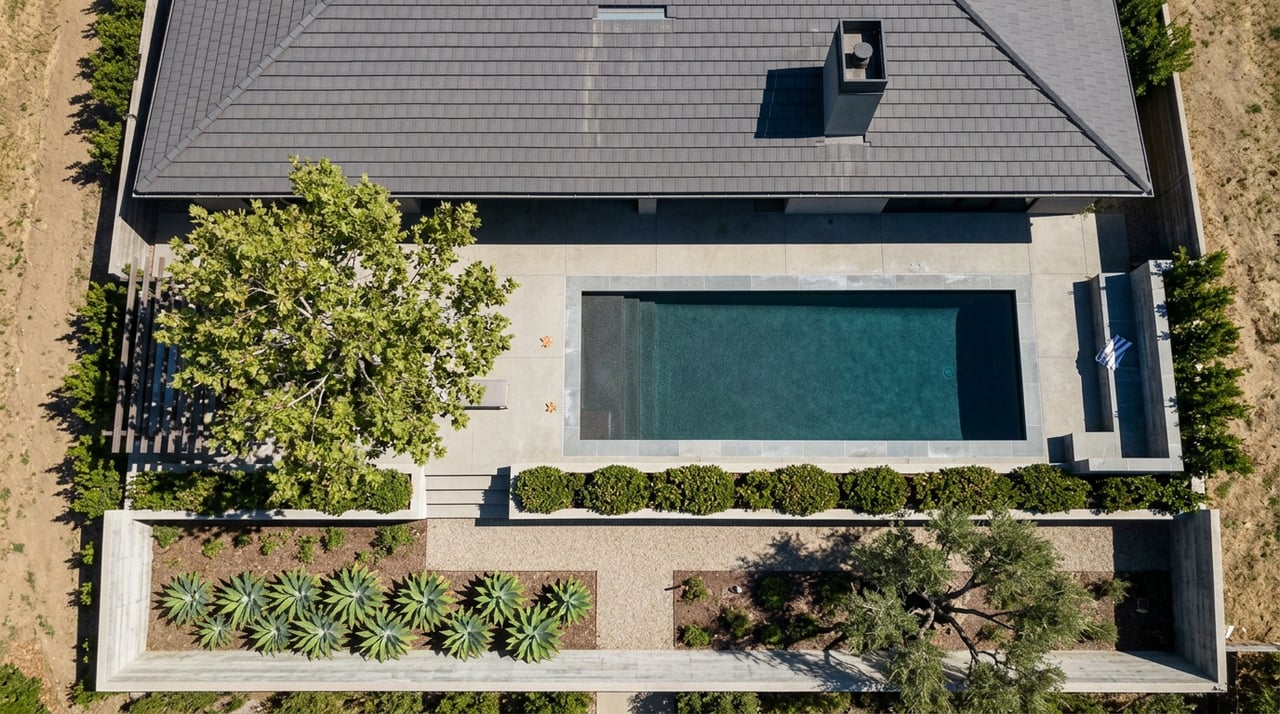
South of the boulevard, the terrain climbs toward Mulholland Drive and the streets change character entirely. Royal Oak Road, Sapphire Drive, and the stretch of Encino Avenue below the boulevard sit in the estate tier, along with gated pockets like Royal Oaks and Amestoy Estates. Lots here run 10,000 to 30,000-plus square feet, and the homes range from reimagined mid-century originals to full custom contemporaries. Prices in this tier run roughly $1.5 million into the $8 million-plus range, and the buyer pool includes people trading up from Beverly Hills or Bel Air for more land at a lower basis.
Blend those two markets into a single median and you get a number that describes neither one well. It is the real estate equivalent of averaging a marathon time with a sprint time and calling it someone's typical run.
What the Median Actually Averages Together
Encino's median sale price landed at roughly $1.7 million over the three months ending in May 2026, according to Redfin's tracking, with median price per square foot at $555, down about 20 percent from the same period a year earlier. Days on market averaged 56, essentially flat with the 57 days recorded the year before.
Those numbers describe a market in the middle of repricing, but the repricing is not happening evenly. List prices across Encino have come down on the order of 12 percent year over year, and price per square foot has softened by roughly 6 to 7 percent, a pullback from the 2021 and 2022 peak that sellers on both sides of the boulevard are still adjusting to. The hills tier has more room to negotiate right now than the flats, largely because it has fewer buyers who can write a check at that level and more inventory sitting past 60 days waiting for the right one to show up.
Here is the comparison that actually earns its place: the table below puts the two tiers side by side. They are two different products wearing the same neighborhood name.
| 91316 Flats (north of Ventura) | 91436 Hills (south of Ventura) | |
|---|---|---|
| Typical price range | $600,000 to $2 million | $1.5 million to $8 million+ |
| Typical lot | Flat, roughly 4,500 to 9,000 sq ft | 10,000 to 30,000+ sq ft, sloped |
| Typical stock | 1960s-70s ranch, condos, townhomes | Mid-century originals, custom rebuilds |
| Street pattern | Regular grid, sidewalks | Climbing streets toward Mulholland |
The Insurance Bill Nobody Puts in the Listing
Here is the part that changes the math for anyone comparing these two tiers this fall, and it has nothing to do with the sale price on either home.
According to Grey Sq, on October 15, 2026, the California FAIR Plan, the state's insurer of last resort for properties that cannot find coverage in the standard market, raises rates by an average of 29.1 percent. That average hides a wide spread. Roughly a quarter of policyholders, largely in re-rated urban zip codes with low actual exposure, will see their rates go down. About half will see increases in the 30 to 50 percent range. The steepest increases land on the final quarter: parcels sitting inside a Very High Fire Hazard Severity Zone, with limited defensible space and difficult access for equipment. That description fits a meaningful share of Encino's hillside streets and does not fit the flats.
The dollar figures are not abstract. On a $2 million hillside home, FAIR Plan coverage plus the difference-in-conditions wrap policy most owners need to cover everything beyond fire can run $8,000 to upward of $20,000 a year. A comparable flats home outside the hazard zone, still eligible for a standard admitted policy, is more likely to land in the $2,000 to $4,000 range. That spread, on its own, is larger than a year of property tax on either house.
The FAIR Plan is also a narrower product than most buyers expect. It covers fire and a limited set of related perils, historically capped around $3 million in dwelling coverage. A larger estate-tier home can end up underinsured on everything else, from water damage to theft, unless the owner layers a separate wrap policy on top, and that wrap comes with its own limits and cost.
None of this shows up in a listing description. It shows up three weeks into escrow, when a lender asks for proof of bound insurance before funding the loan, as Grey Sq explains. The buyer discovers the quote is a fraction of what they budgeted, or the property cannot get standard coverage at all.
What This Means at the Offer Stage
If you are writing an offer on anything south of the boulevard this fall, treat insurance as a contingency you actively manage, not paperwork you handle later.
- Request an insurance quote in the first week of escrow, not after you remove contingencies.
- Ask for the property's claims history and review the natural hazard disclosure for any past fire-related activity or carrier non-renewals.
- Budget for FAIR Plan plus a wrap policy as your baseline assumption on hillside estate-tier homes, and treat a standard admitted policy as a pleasant surprise rather than the default.
- Confirm your lender has the bound policy in hand before you waive your loan contingency. No insurance, no funding, regardless of how strong the rest of the file looks.
There is one piece of good news in the middle of this. California's Sustainable Insurance Strategy, which took effect in 2025, lets admitted carriers factor catastrophe modeling and reinsurance costs into their rates in exchange for writing more policies in higher-risk areas, and at least one major carrier has been expanding its California homeowners book under that framework. It has not solved the hills-tier insurance problem yet, but it is the first structural change aimed at bringing standard carriers back into zip codes they had been leaving.
Why This Doesn't Show Up When You Compare Encino to Its Neighbors
Buyers priced out of Encino's hills tier, or unsettled by the insurance math, are already cross-shopping Calabasas, Hidden Hills, and the Brentwood canyons, all of which carry similar hillside terrain and similar hazard-zone exposure. The mechanics described here are not an Encino-specific penalty. They are a hillside-specific one, and Encino happens to be one of the few Valley neighborhoods with a genuine hills tier sitting a few minutes from a genuine flats tier.
Buyers comparing Encino's flats to Sherman Oaks or Tarzana are mostly insulated from this particular friction, since those neighborhoods carry far less hillside terrain in the Very High Fire Hazard Severity Zone. The comparison that actually matters is hills to hills and flats to flats, not neighborhood to neighborhood.
A Couple of Questions Worth Asking Before You Write an Offer
Does the flats tier face any of this insurance pressure? Some, but far less. Most of 91316 sits outside the Very High Fire Hazard Severity Zone, so flats buyers are more likely to see modest increases, or even decreases under the re-rating, than the steep jumps hitting hillside parcels.
Is the FAIR Plan the only option for a hillside home? Not always. Some hillside properties with documented brush clearance and defensible space still qualify for a standard admitted carrier. The appetite is thinning, though, which is exactly why getting a quote in week one of escrow, rather than week five, matters more in 2026 than it did a few years ago.
Where This Leaves You
The median price you saw on a portal search was never going to tell you which Encino you were looking at. Now it will not tell you what you are going to pay to insure it, either. That gap is the reason a pricing conversation in Encino needs to start with the zip code and the slope of the lot, not the number on the sign.
I have spent decades working both sides of Ventura Boulevard in Encino, and I have sat across the table with buyers and sellers through exactly this kind of insurance surprise. If you are comparing a flats listing to a hills listing, or trying to figure out what a specific Encino address is actually going to cost you to own, Steve Shanks can walk you through the real numbers before you write an offer. Request a Free Home Valuation and get a pricing picture that accounts for what side of the boulevard you are actually buying into.
This article is general information, not legal, tax or financial advice. Consult a qualified professional about your situation.