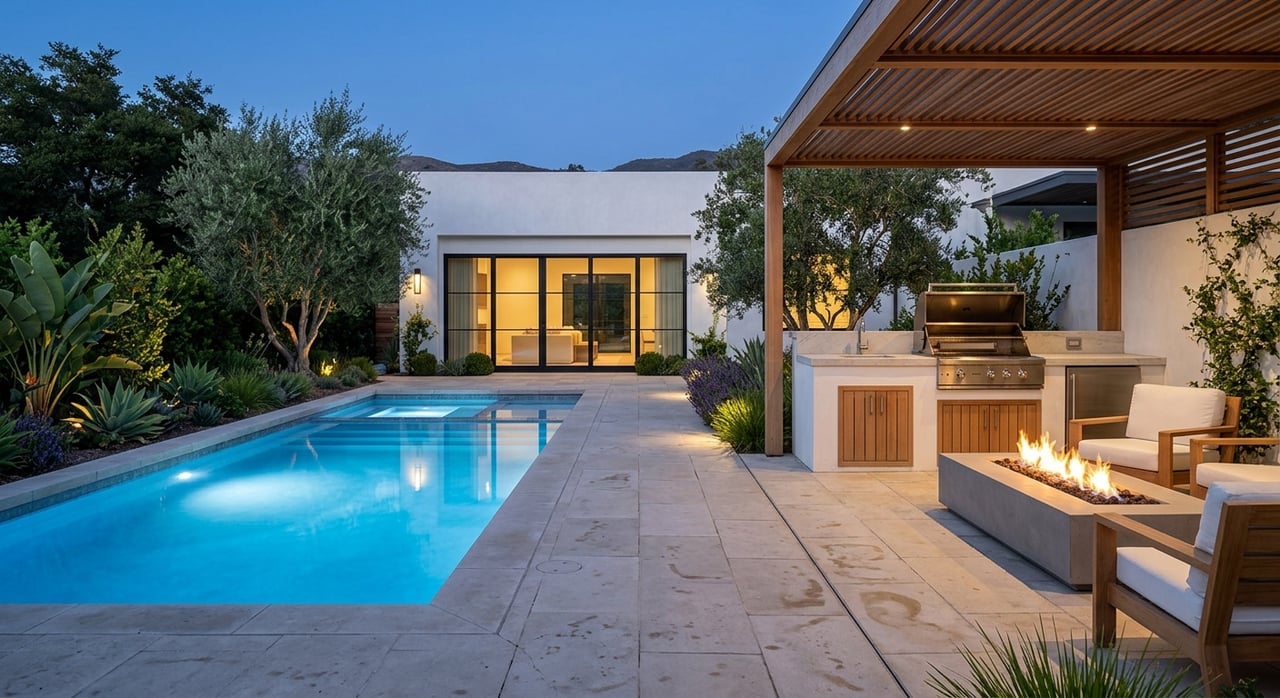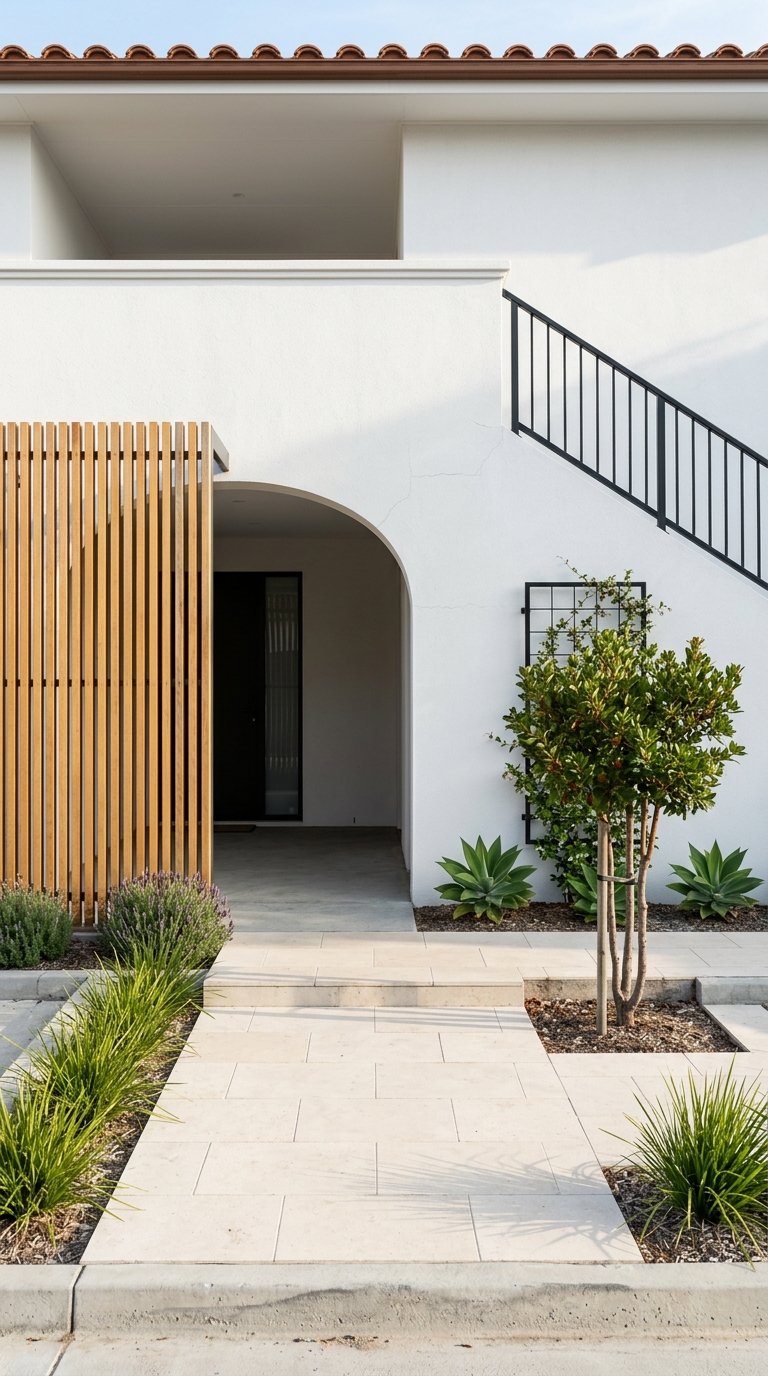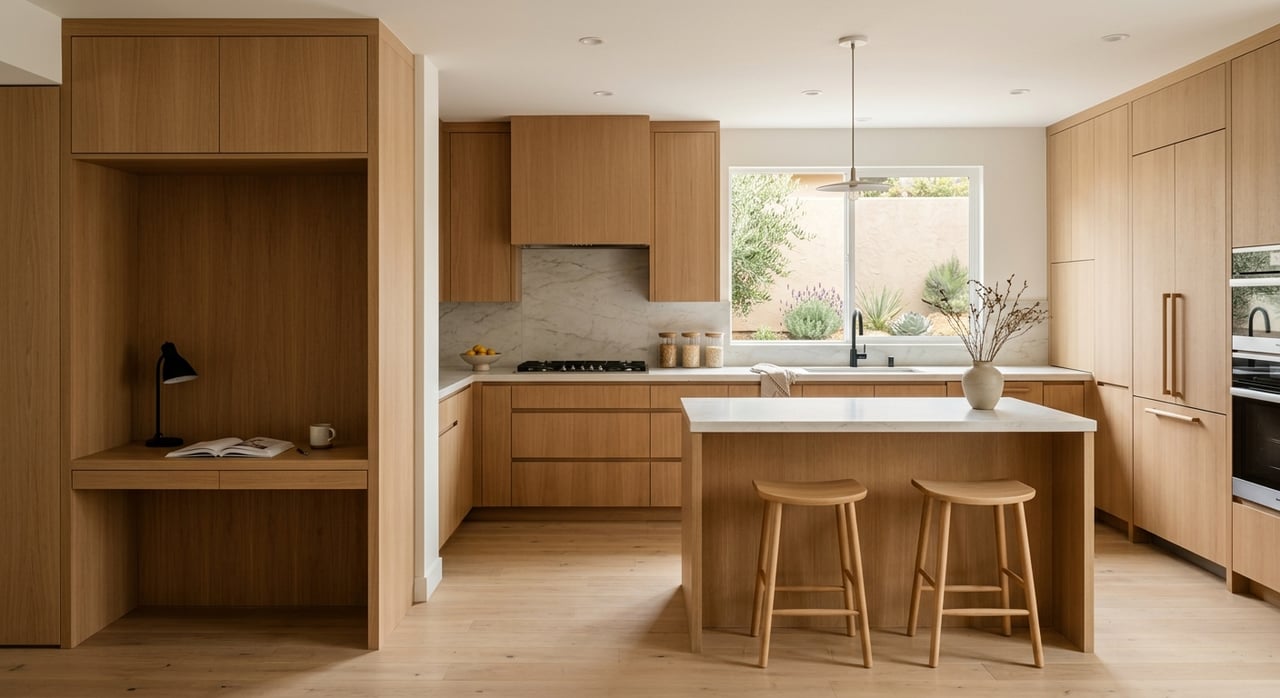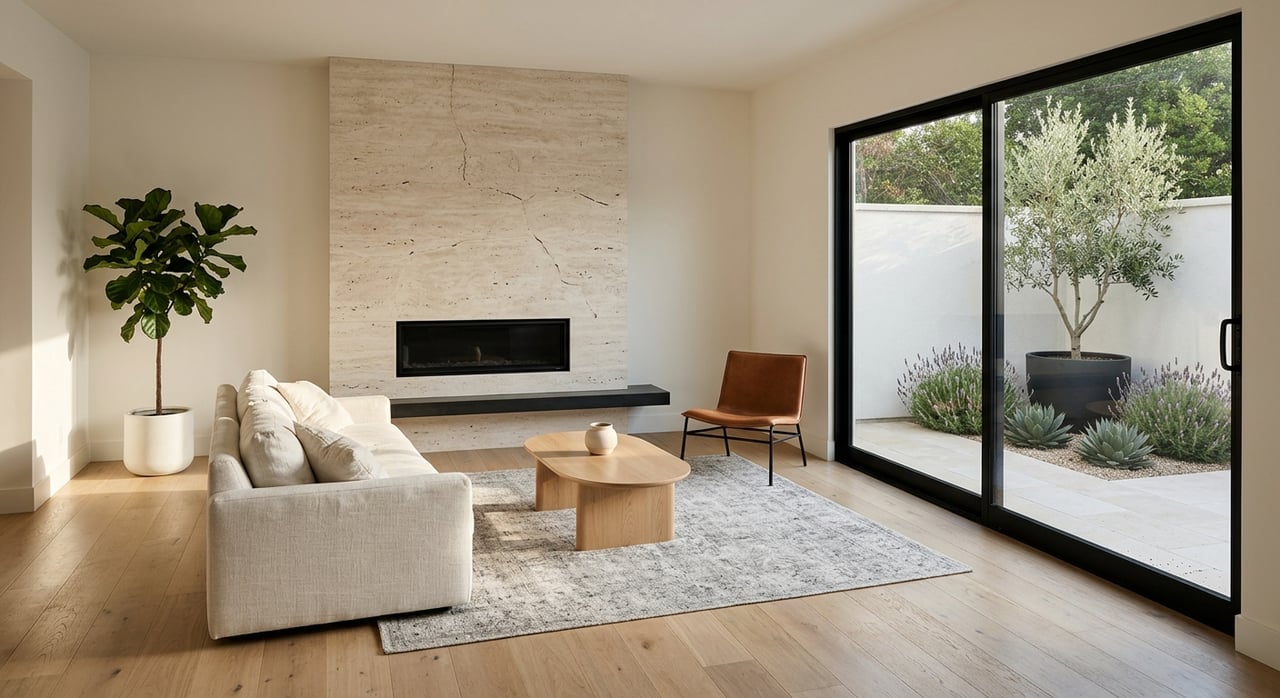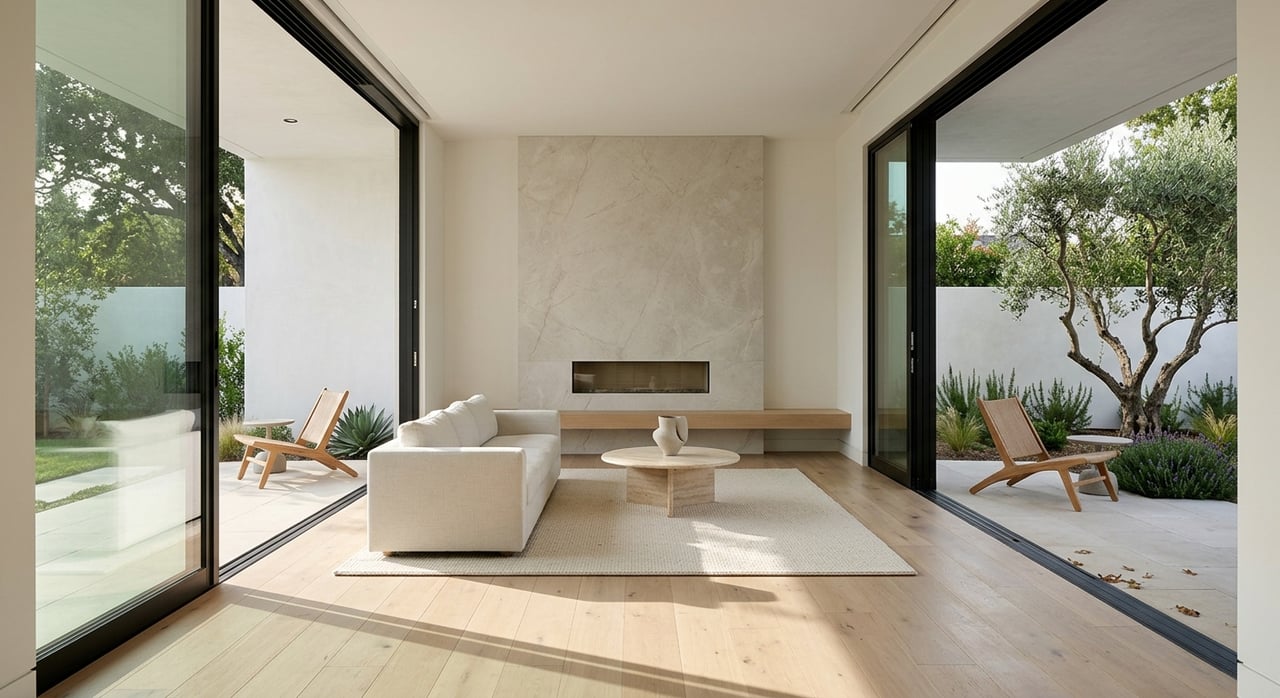
If you are thinking about buying a second home in Calabasas, you are probably not chasing bargain pricing or high short-term rental yields. You are looking for a place that feels like an escape, with privacy, open space, and an easy weekend rhythm close to Los Angeles. The key is knowing what Calabasas does well, where the real costs show up, and how to choose a property that fits the way you actually plan to use it. Let’s dive in.
Why Calabasas Works as a Retreat
Calabasas is best understood as a lifestyle buy first. Public market trackers vary on the exact price point, but they agree that Calabasas is an expensive luxury market. For example, Redfin’s Calabasas housing market page reported a February 2026 median sale price of $1,587,500, while the research summary notes Realtor.com placed it at about $2.297 million in the same period.
That price gap matters less than the bigger takeaway. In Calabasas, you are usually paying for setting, privacy, and lifestyle rather than buying a property mainly for income. That makes it especially important to be clear about your goals before you start touring homes.
The city’s own planning priorities support that retreat mindset. According to the City of Calabasas environmental planning information, preserving open space and natural habitat is a top priority, with planning goals tied to thousands of acres of open space. If your idea of a second home includes scenic surroundings, quieter streets, and room to reset, that is a meaningful part of the appeal.
Lifestyle Comes First Here
Calabasas offers recreation that lines up well with weekend or seasonal use. The city highlights community parks, recreation programming, and the Calabasas Tennis & Swim Center, which adds to the ease of a leisure-focused lifestyle. For many buyers, that is more compelling than being in a dense urban setting packed with commercial activity.
In simple terms, Calabasas tends to fit buyers who want a second home that feels restorative. You may want a place for long weekends, a foothill setting near trail access, or a property that gives you privacy without being too far from daily essentials. That is a different decision than buying a home mainly to maximize monthly cash flow.
Short-Term Rentals Are Not the Play
This is one of the most important points to understand before you buy. If you are hoping to offset ownership costs with Airbnb or similar short stays, Calabasas is generally not the right market for that strategy.
The city’s housing element states that Calabasas prohibits short-term rentals except for lawfully approved hotels, motels, and bed-and-breakfast inns. Based on that city policy, a residential second home in Calabasas should be underwritten as a personal-use property first, not as a short-term rental investment.
If the home is in a common-interest development, HOA rules matter too. Under California Civil Code Section 4740, owners have protections related to renting, but HOA rules can still prohibit transient rentals of 30 days or less under related state law described in the research report. In practice, that means you need to read the CC&Rs carefully and confirm whether the longer lease structure you want is allowed.
What to Ask About Rental Flexibility
Before you move forward on a second home, it helps to ask a few direct questions:
- Does the city allow the use I have in mind?
- Do the HOA documents restrict leases under a certain length?
- If I am not using the home full-time, would I actually want to lease it long term?
- Am I comfortable owning this property even if rental income is minimal or nonexistent?
Those questions can save you from buying the right-looking house for the wrong purpose. In Calabasas, the strongest second-home purchases usually make sense even without short-term rental revenue.
Carrying Costs Deserve Extra Attention
Second-home buyers often focus on the down payment and monthly mortgage first. In Calabasas, carrying costs deserve just as much attention because they can vary more than many buyers expect.
Property taxes are a major example. Los Angeles County explains that California property taxes start with the Proposition 13 framework, but actual bills can also include debt-service items and direct assessments. The Los Angeles County property tax overview cites an average countywide property tax rate of 1.160% for 2022–23, which is a useful reference point, but your real bill depends on the specific parcel.
That means you should not estimate taxes based on what the seller is paying. After a purchase, the property is generally reassessed based on the new price, so your tax bill can look very different from the prior owner’s.
Supplemental Bills Can Surprise Buyers
Another common surprise is supplemental property tax. The California State Board of Equalization’s supplemental assessment guidance explains that a change in ownership can trigger a supplemental assessment, and in some cases two supplemental bills may be issued depending on timing.
These bills are separate from the regular annual secured tax bill. Even if you escrow taxes with your lender, you still want to plan for the possibility of additional bills after closing. For a second-home buyer, that cash-flow planning matters.
A true second home also usually does not qualify for the Homeowners’ Exemption, because that benefit applies to your principal residence. So if you are buying a weekend retreat, it is smart to assume that exemption will not reduce your assessment.
Closing Costs and Parcel Differences
Transfer taxes are another item to verify early. The Los Angeles County Recorder states that county documentary transfer tax is $1.10 per $1,000 of consideration or value, and it also notes that some cities may impose additional city transfer taxes. Because transaction structure and parcel details matter, you will want escrow to confirm exactly what applies to your purchase.
It is also worth remembering that two homes in the same city can carry very different monthly costs. According to Los Angeles County’s annual property tax charge information, bills may include direct assessments and special district charges. The practical takeaway is simple: always review the actual tax bill for the parcel, not just a citywide estimate.
Wildfire Risk Affects Ownership Costs
In Calabasas, wildfire exposure is not just a background issue. It can affect insurance, maintenance, and the work needed to protect the property over time.
The city states that the latest fire hazard map was published by CAL FIRE on March 24, 2025, and city communications say the entire city remains in a Very High Fire Hazard Severity Zone. You can review that on the City of Calabasas fire hazard severity page.
For you as a buyer, that means home hardening and defensible space are not optional ideas. They are part of the ownership equation. When you compare homes, it is wise to think about vegetation, slope, roof type, access, and the likely cost of ongoing fire-prevention maintenance.
Choosing the Right Property Type
Not every second home in Calabasas solves the same problem. Three broad categories often stand out: view properties, golf-oriented homes, and equestrian-oriented properties.
The right fit depends on what you want your retreat to feel like. Some buyers want scenery and privacy. Others want club access and amenities. Others care more about land, trail access, and room for equestrian use.
View Homes in Calabasas
View homes often appeal to buyers who want a true getaway feel. Calabasas emphasizes open-space preservation, hillside protection, and oak-tree preservation in its planning framework, which helps protect the natural character many buyers are seeking.
At the same time, hillside and view lots can come with added complexity. Depending on the site, you may need to think more carefully about grading sensitivity, tree preservation rules, maintenance, and wildfire-related upkeep. The views can be exceptional, but it is smart to evaluate the constraints along with the scenery.
Golf-Oriented Homes
If your retreat centers on recreation and social amenities, golf-oriented living may be a better fit. Calabasas Country Club is a private championship course with membership options, practice facilities, fitness amenities, dining, and event space.
For many buyers, the appeal here is convenience and lifestyle. You get proximity to club amenities and a built-in leisure routine. Just make sure you evaluate club dues, membership structure, and any related fees separately from HOA costs.
Equestrian Properties
For equestrian buyers, the house itself is only part of the picture. Trail access, usable land, drainage, fencing, and ongoing upkeep can matter more than simply having a large residence.
Calabasas planning supports that use in a meaningful way. The city’s Trails Master Plan calls for a continuous pedestrian, equestrian, and bicycle trail system, which reinforces the area’s appeal for buyers focused on horses and outdoor access.
A Simple Way to Compare Options
If you are weighing different property types, this quick framework can help:
| Property type | Best for | Key tradeoff |
|---|---|---|
| View home | Privacy, scenery, retreat feel | More site sensitivity and maintenance questions |
| Golf-oriented home | Club access and leisure amenities | Separate club costs may apply |
| Equestrian property | Land use and trail access | Higher upkeep tied to land and facilities |
That is why a second-home search in Calabasas works best when you start with lifestyle priorities. Since short-term rental income is generally off the table, the better question is not “Which home could earn the most?” It is “Which home will I actually use and enjoy?”
How to Buy More Strategically
A smart Calabasas second-home purchase usually starts with honest planning. Think about how often you will use the property, how much maintenance you want to manage, and whether privacy, recreation, or land matters most to you.
From there, focus on the details that affect ownership after closing. Review parcel-level tax bills, ask about supplemental taxes, confirm insurance considerations, and read all HOA documents carefully if they apply. That extra work upfront can protect both your budget and your peace of mind.
If you want guidance on buying a second home or retreat in Calabasas, Steve Shanks can help you evaluate the lifestyle fit, carrying costs, and property details with the calm, local perspective that matters in a market like this.
FAQs
Can I use a Calabasas second home as a short-term rental?
- No. The city prohibits short-term rentals for residential properties except for lawfully approved hotels, motels, and bed-and-breakfast inns, and HOA rules may also restrict rentals of 30 days or less.
Will my Calabasas property taxes match the seller’s tax bill?
- Usually not. A purchase generally triggers reassessment based on the new value, and supplemental tax bills may also be issued after closing.
Does a second home in Calabasas qualify for the California Homeowners’ Exemption?
- Usually no. The exemption generally applies only to your principal place of residence, not a true second home or weekend retreat.
Is Calabasas a good market for a weekend retreat?
- Yes, if you value open space, recreation, privacy, and a lifestyle-oriented setting more than short-term rental income.
What type of Calabasas second home is best for lifestyle use?
- It depends on your priorities: view homes tend to favor privacy and scenery, golf-oriented homes favor club amenities, and equestrian properties favor land and trail access.